


- New
- Out of Stock
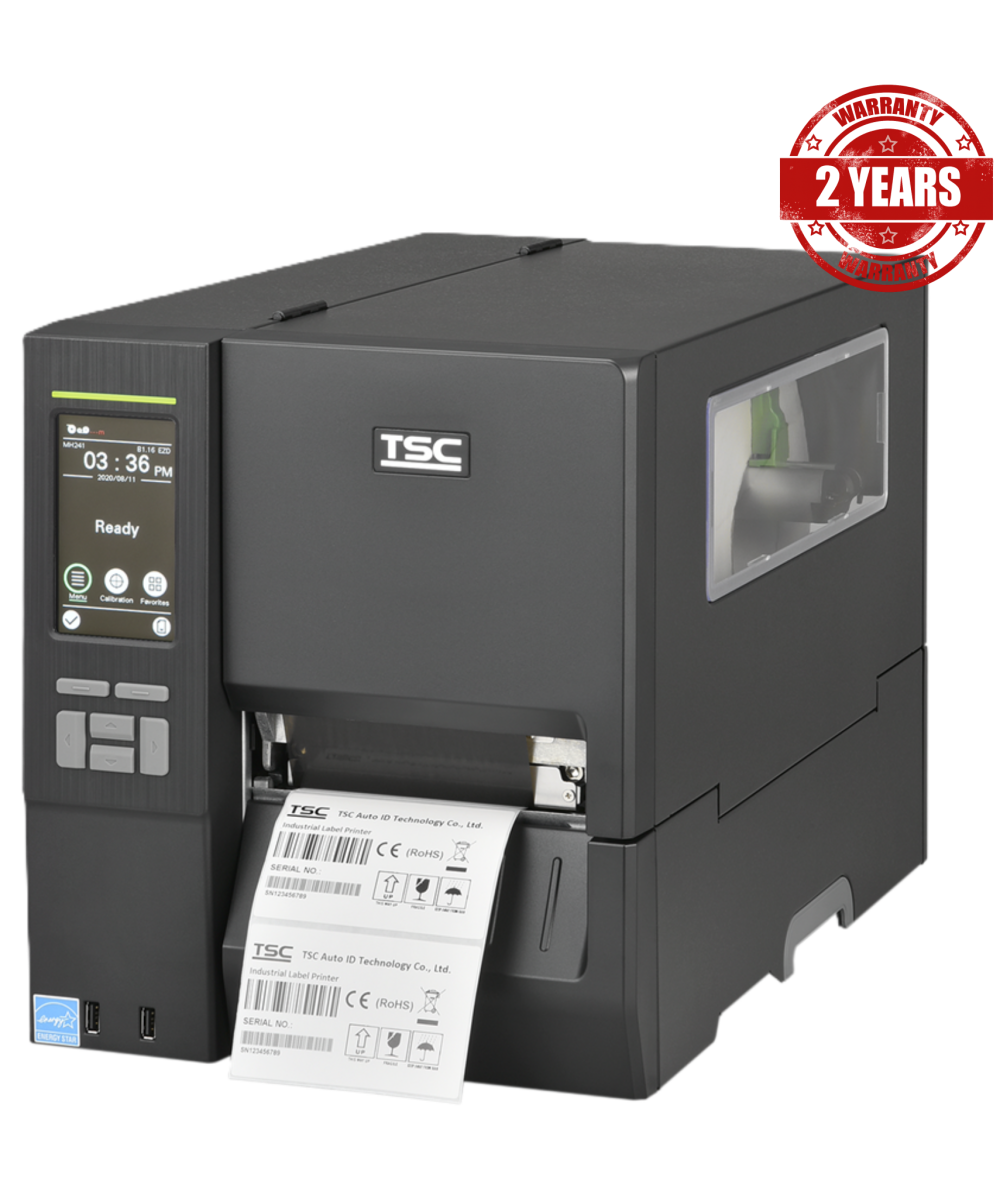
The TSC MH241T Industrial Thermal Transfer Barcode Printer is a high-performance 203 DPI printer designed for demanding industrial applications. * 2-Year Standard Carry-in Warranty Excluding Head and Rollers. *Backorders are usually fulfilled within 6 – 8 Weeks.

Only R200 anywhere in South Africa

Orders are typically dispatched within 24 hours if stock is available

Payments are facilitated byPayFast's secure payment gateway
The TSC MH241T is engineered for high-demand industrial environments where speed, reliability, and print quality matter every day. Supporting both thermal transfer and direct thermal printing, it gives you the flexibility to produce durable, long-lasting labels with a ribbon or cost-effective, short-term labels without one—so you always have the right option for the job.
With a 203 DPI print engine delivering crisp, scannable results, the MH241T is ideal for product labeling, asset tracking, compliance labeling, and high-volume logistics workflows. Its class-leading performance—up to 14 inches per second —helps teams clear backlogs faster, reduce bottlenecks at packing benches, and keep lines moving during peak demand.
Key Features Of The TSC MH241T
Dual print modes: Thermal Transfer & Direct Thermal for maximum application flexibility
Resolution: 203 DPI for crisp text, barcodes, and graphics
High speed: Prints up to 14 ips to accelerate high-volume labeling
Industrial build: Durable metal frame designed for tough environments
Touch-screen UI: Intuitive interface simplifies setup, operation, and maintenance
Connectivity: USB, Ethernet, and Serial; optional Wi-Fi for wireless deployments
Media flexibility: Compatible with a wide range of label types and sizes
Ribbon guidance: Optimised for Inkanto thermal transfer ribbons
Productivity: Designed to minimise downtime and streamline changeovers
Warranty: Standard 2-year manufacturer warranty
Long Description
The MH241T combines performance and practicality for 24/7 operations. Its rugged metal construction withstands the bumps, dust, and heat common on busy manufacturing floors and in distribution centres. The touch-screen interface offers clear prompts and quick navigation, making it easy for operators to change settings, calibrate media, and run diagnostics without specialised training. This reduces onboarding time for new staff and helps seasoned teams work faster with fewer errors.
In thermal transfer mode, pair the printer with Inkanto thermal transfer ribbons to achieve deep, durable print that resists abrasion and handling—ideal for product or compliance labels that must remain legible over time. In direct thermal mode, you can produce cost-effective labels for shorter-life applications such as shipping, receiving, or internal work-in-process labels. With print speeds up to 14 ips , large batches complete quickly, helping you maintain SLAs and throughput targets even during seasonal spikes.
Integration is straightforward. Standard USB, Ethernet, and Serial ports connect easily to existing PCs, handhelds, and industrial systems, while optional Wi-Fi enables flexible placement on mobile carts or remote packing stations. The MH241T’s broad media compatibility means you can run the label sizes your workflows demand without constant changeovers or reconfiguration.
Ideal Applications
Environment
Typical Uses
Manufacturing
High-volume product labels, asset tags, compliance labeling
Logistics
Shipping labels, pallet labels, order processing
Warehousing
Inventory management, bin labels, distribution tasks
Technical Specifications
Print Method
Thermal Transfer / Direct Thermal
Resolution
203 DPI
Max Print Speed
Up to 14 inches per second
Construction
Industrial metal frame
User Interface
Touch-screen, intuitive controls
Interfaces (Std.)
USB, Ethernet, RS-232 Serial
Wireless (Opt.)
Wi-Fi
Media Support
Wide range of label types and sizes
Recommended Ribbons
Inkanto thermal transfer ribbons
Warranty
2 years (standard)
Additional Information
Best-fit usage: Use thermal transfer for long-life, durable labels; direct thermal for short-term logistics and internal workflows.
Printhead care: Clean the printhead and platen roller with approved swabs during roll changes or if density drops to extend service life.
Media tips: Choose label stocks matched to your environment (abrasion, temperature, handling) to maintain scan accuracy.
Operational uptime: Train operators on rapid media/ribbon loading and run routine calibration to minimise reprints.
Integration notes: Use Ethernet for shared network printing, Serial for legacy systems, and Wi-Fi (optional) for mobile carts or flexible layouts.

Data sheet
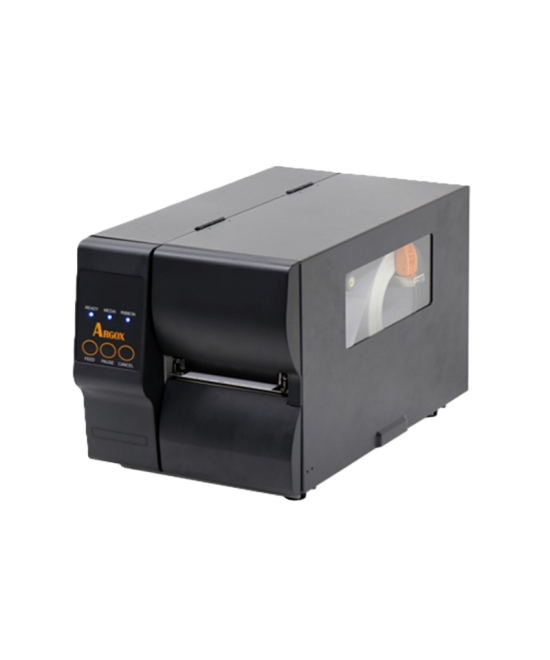
Built for high-volume printing in tight spaces, the Argox iX4-240 Pro delivers crisp 4″ labels at up to 8 ips with rugged mechanics, big-roll media support and enterprise I/O—ideal for South African warehouses, production lines and fulfilment ops.
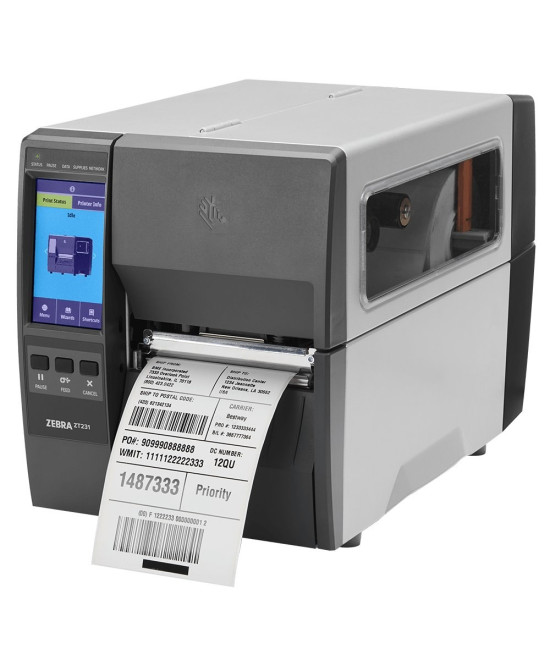
The Zebra ZT231 is a dependable industrial thermal transfer label printer delivering 203 dpi resolution. It features USB, Serial, and Ethernet connectivity, supports EU and UK power cords, and includes a tear-off mechanism for efficient label handling.
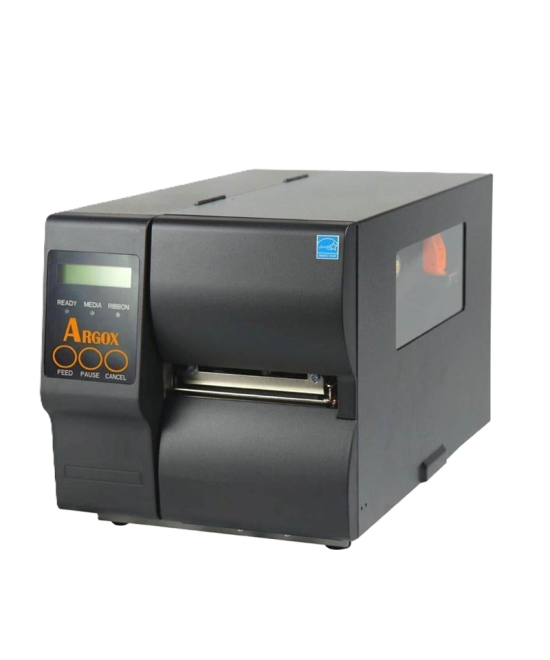
Enhance your labelling efficiency with the Argox IX6-250 6 Inch Industrial Label Printer. Built for durability and high performance, this printer is ideal for demanding industrial environments. *Backorders are usually fulfilled within 6 – 8 Weeks.
Dependable Zebra ZT411 industrial thermal transfer printer with 203 dpi resolution. Comes with Euro and UK power cords and multiple connectivity options including Serial, USB, and 10/100 Ethernet. Perfect for high-volume, precise label printing in industrial settings.
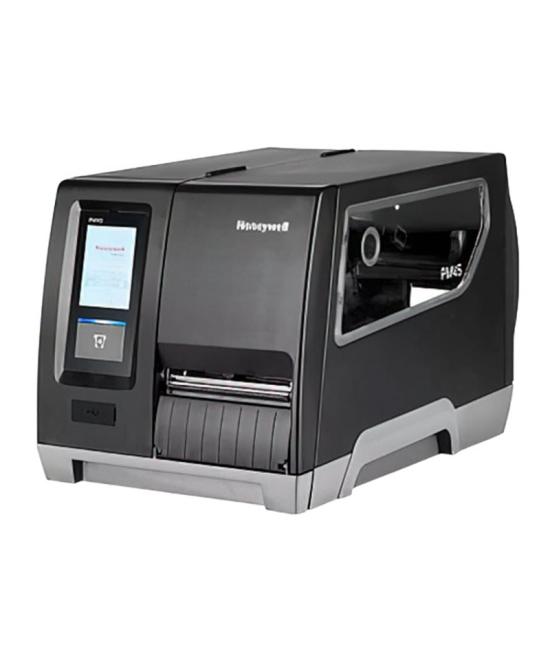
The Honeywell PM45 Industrial Label Printer is a high-performance 203 DPI printer designed for fast and reliable label printing in demanding industrial environments. With support for both thermal transfer and direct thermal printing, the PM45 is perfect for businesses that require durable, high-quality labels. *Backorders are usually fulfilled within 6 – 8 Weeks.
The Honeywell PD45 4″ Industrial Label Printer combines rugged durability with versatile printing capabilities, making it an ideal choice for demanding industrial environments. This 203dpi printer supports both thermal transfer and direct thermal printing, ensuring high-quality labels for various applications. *Backorders are usually fulfilled within 6 – 8 Weeks.
The TSC MH241T Industrial Thermal Transfer Barcode Printer is a high-performance 203 DPI printer designed for demanding industrial applications. * 2-Year Standard Carry-in Warranty Excluding Head and Rollers. *Backorders are usually fulfilled within 6 – 8 Weeks.